Shippers often focus on speed, cost, and inventory turns when they talk about cross docking. Carriers care about those things too, but what keeps a carrier loyal is simpler: predictable dwell times, clean freight, and lanes that pay reliably. A cross dock facility that runs well can transform an ordinary carrier partnership into a preferred relationship. It reduces friction miles, trims empty repositioning, and helps fleets plan days instead of hours. It also shields drivers from the small inefficiencies that add up to a bad week.
I have watched cross dock warehouses either earn the trust of carriers or burn it. The difference rarely comes down to gleaming automation. It comes from disciplined dock choreography, honest appointment windows, and a willingness to meet carriers halfway when the plan changes at 3 a.m. The mechanics of cross docking matter, but the way those mechanics affect driver time and fleet planning matters even more.
What cross docking looks like from a carrier’s seat
On paper, cross docking is simple: receive inbound freight, sort it by destination or customer, then load it to outbound equipment with minimal or no storage. From a carrier’s perspective, the value is measured by minutes and miles. If a cross dock warehouse trims 45 minutes from each turn, a driver picks up one more short haul per week. If it consolidates partials cleanly, a carrier replaces two marginally profitable stops with one dense, better-paying move. Those small gains compound across a terminal.
A cross dock facility that respects driver time reduces the dreaded dwell curve. That curve starts gentle when drivers wait fifteen minutes past appointment, steepens after an hour, and hits a cliff when the delay forces a missed backhaul. Once a driver busts hours of service because a dock stalled, the carrier eats costs across dispatch, payroll, even customer service. The dock that moves with intent flattens that curve.
The carrier’s lens also prioritizes consistency over occasional heroics. A one-off lightning-fast turn is nice, but a dependable 35-minute window every Tuesday, with clear yard flow and accurate paperwork, is better. Cross docking services that codify that rhythm earn carriers’ long-term commitment, even if they are not the absolute cheapest option.
The mechanics that build trust at the dock
Trust at the dock is tactile. It is the absence of confusion when a driver pulls into the yard. It is the feeling that the crew knows where the freight is going, and that time will not be wasted on avoidable missteps. The following practices, when woven into operations, directly improve carrier relationships.
- Time discipline that drivers can set their clocks by. Publish appointment windows that reflect real throughput. If the average turn for a live unload and re-load is 50 to 70 minutes, do not promise 30. Overestimate slightly in planning, then beat that plan in practice. Yard design that respects physics. Truck movement should flow in one direction with obvious signage. Drop-and-hook lanes require clear staging rules. A cross dock warehouse that pushes every trailer through a Tetris puzzle will burn fuel and patience. Pre-stage with intent, not hope. Pre-pull pallets for the first two hours of outbound loads, including stretch wrap, labels, and any temperature controls or dunnage. The first 10 percent of a shift decides whether the rest of the day runs downhill or uphill. Clear lanes for exceptions. Every operation has late arrivals, damaged pallets, and mixed-SKU oddballs. Give them a lane and a process so they stop clogging the main arteries. Carriers notice when exceptions are handled quietly. Capable people at the gate. Yard guards and check-in clerks set the tone. Provide direct numbers, not recorded menus, and empower them to adjust dock doors if a driver shows early and capacity exists.
These small truths translate into minutes saved and stress avoided. Drivers talk. Word travels fast when a cross dock facility treats them like partners instead of inconveniences.
Visibility that carriers can use
Systems matter less for their acronyms and more for how they answer simple questions. When a carrier asks “Is my 14:00 outbound actually going to be ready?” the best answer is a live status with a confidence range. A good cross docking service integrates TMS, WMS, and yard management data to show arrival actuals, current door status, and pick completeness. The measure of success is fewer calls, not prettier dashboards.
ETA fidelity directly affects fleet math. When a cross dock posts a realistic pickup-ready time, dispatchers can chain loads with less buffer. A half-hour swing on three loads can erase a driver’s daily margin. If the cross dock cannot hit a time, flag it early. Most carriers forgive delays that are communicated and planned around. They punish surprises that blow up hours.
There is also value in showing carriers their own metrics. Sharing average dwell by hour of day, top ten problem SKUs, and the gap between scheduled and actual arrivals creates joint accountability. When both sides agree that Tuesday 10 a.m. to noon is the choke point, they can re-time inbound appointments or move labor. That transparency makes the relationship feel like a two-team operation, not a vendor gatekeeping data.
How cross docking reduces carrier waste
Waste in trucking shows up as empty miles, detention, rework, and rejected loads. Cross docking can chip away at each form when it is used purposefully.
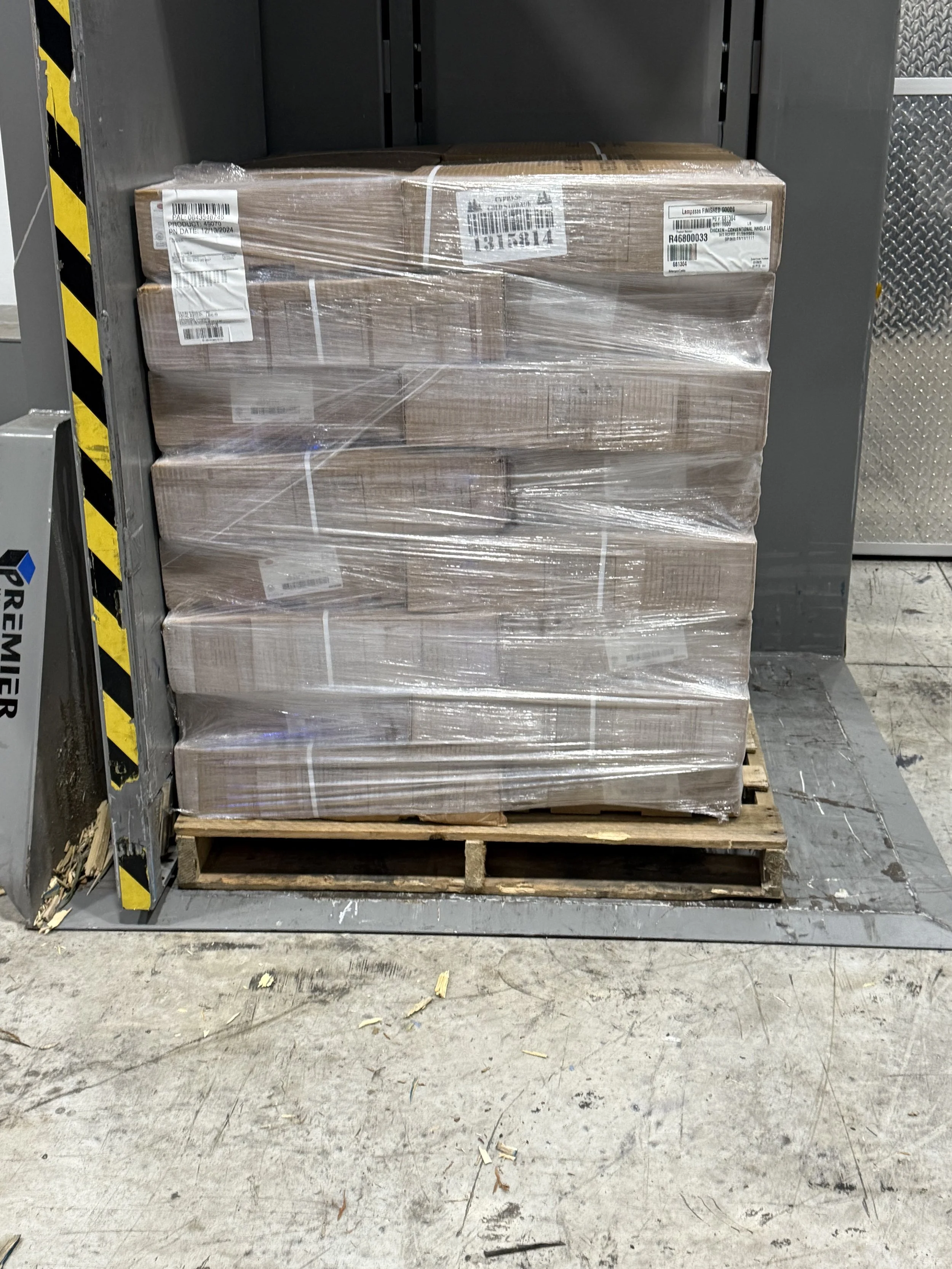
Consolidation, done right, reduces empty repositioning. A carrier that typically runs two partials across town can replace those with one dense outbound move staged at the cross dock. If your facility aggregates volume to create a daily or twice-daily lane, the carrier can dedicate equipment and staff. Dedicated lanes tend to run tighter, with lower per-mile costs and better on-time performance.
Sortation by route shortens handling on the last mile. For example, parcel or LTL carriers benefit from zip-based staging that mirrors their hub-and-spoke logic. When freight enters their network already organized, they need less cross sort time at their terminal, which smooths their peak windows. That goodwill often translates into better rates or priority recovery when a trailer is short.
Damage reduction does not just save the shipper. It reduces carrier claims, which cost time and administrative overhead. Simple investments matter: quality dock plates, standardized dunnage, and corner protection for fragile SKU families. A cross dock warehouse that drops claim rates from, say, 1.4 percent to under 0.5 percent earns quiet loyalty. Fewer photos, fewer forms, fewer awkward calls.
Temperature integrity is a similar story. For refrigerated carriers, a tight door assignment and minimized open-door time maintain pulp temperatures. Rework because of warm product ruins a driver’s day and a carrier’s schedule. A cross dock facility with temp probes at receiving, and a rule to stage cold chain loads closest to doors, signals that you understand their reality.
The human side: drivers, dispatchers, and respect
An overlooked truth: carrier relationships are built one driver at a time. The dispatcher may sign the master agreement, but the driver decides whether your stop is a headache. A cross dock that invests in restrooms, basic vending, clear Wi-Fi for document uploads, and fast check-in buys goodwill at a low cost. Many drivers judge a site by whether they can find a person who will answer a question without sending them in circles.
Detention policies should be clear and enforced. Paying fair detention promptly is not just an expense. It is a statement that you value driver time. Better yet, avoid detention through honest booking. If your average dwell runs 65 minutes, do not set the free time at one hour and hope. Set it at 90, then work it down over time through process improvements. The best relationships start with reality.
Recognition goes a long way. Carriers remember when your team pulls a small miracle to get a driver rolling before their 14-hour clock ends. They also remember the lack of effort when someone shrugs and says the outbound is “somewhere on C aisle.” Train your crew to close the loop, not just hand off tasks.
Where cross docking creates better lanes
Cross docking services can open new lane structures that benefit both carriers and shippers. For example, a retailer with dozens of vendors shipping partials can push all inbound to a centralized cross dock facility near a carrier’s terminal. The cross dock builds full truckloads by region. The carrier dedicates a small fleet to run those outbound schedules, with predictable pickup and delivery windows. Over time, the carrier learns the seasonality and can staff accordingly, reducing surge premiums.
Another scenario: a manufacturer with plant variability uses a cross dock warehouse as a buffer, not for inventory storage, but for schedule smoothing. The cross dock receives components that arrive early, sorts them by production zone, and synchronizes with outbound milk runs. Carriers benefit from stable pickup times and less waiting at the plant’s cramped dock. The manufacturer benefits from fewer line stoppages and happier drivers willing to take the route again.
Regional freight imbalances also lend themselves to cross dock solutions. If outbound demand is heavy on Mondays and light midweek, a cross dock can flex cargo interests. It can pull forward certain SKUs on Friday to build Monday-ready pallets, creating a small surge reservoir without true storage. Carriers appreciate this because it levels their weekly plan, keeping drivers away from feast-or-famine cycles.
Pricing and risk sharing that strengthen partnerships
Contracts can hinder or help carrier relationships. Successful cross dock services avoid one-sided terms that push all risk downstream. Consider structures that recognize shared impact.
Accessorials should be explicit. If your operation needs driver assist for specialized loads, write that into the profile and pay for it. If you impose a strict no touch rule, honor it and build labor to match. Carriers hate surprises more than they hate complexity.
Volume commitments are best framed in ranges with off-ramps. Promising 20 loads a week and delivering 12 destroys trust. If seasonality or promotions can swing freight plus or minus 30 percent, say so, then collaborate on flexible capacity plans. Standby pay for surge weekends may be cheaper than scrambling on the spot market.
Detention, layover, and TONU (truck ordered not used) policies should be decided with dispatchers in the room. A policy written by procurement that ignores driver clocks will backfire. When the cross dock owns a late cancel, pay the TONU promptly. Carriers remember who makes them chase dollars.

The technology that matters, without the buzzwords
Most cross docking operations do not need shiny toys to make carriers happy. They need practical tools that remove ambiguity and waste.
RF scanning tied to location bins, so a picker can find freight quickly and update status in real time. Yard management that knows which trailer sits in which spot and how long it has been idle. Appointment scheduling that weighs labor availability, not just dock door count. EDI and API connections that are boring and stable. Even a clean SMS notification system that pings a driver when a trailer is ready beats frantic radio calls.
What about automation? Use it where it solves a specific pain. For example, weigh-in-motion scales at the dock help avoid overweight axles, saving rework and roadside headaches. Label print-and-apply for recurring consolidations reduces mislabels that trigger carrier claims. Conveyor sorters can pay off at scale, but only if you have the volume and SKU discipline to feed them predictably. Carriers care less about the hardware and more about the outcome: a ready, correct load at the promised time.
Edge cases and where cross docking can strain relationships
Not all freight fits a cross dock model. Oversized product that requires special rigging often suffers from extra touches. Fragile items with long pick cycles can clog fast-moving docks. Inbound variability can break even the best plan, especially with imports that hit in bunches when a vessel clears customs late. Carriers feel the pain when a dock built for flow turns into a storage shed.
The remedy is honest segmentation. Keep the cross docking stream pure by diverting exceptions to a side process with separate labor and metrics. Put hard limits on mixed-pallet complexities that blow up pick times. If a customer insists on rainbow pallets with 20 SKU lines, schedule those in off-peak hours or prebuild them on a shift that fits your labor model. Communicate this to carriers so they can adjust appointment preferences. The more your facility resists the urge to be everything to everyone in a single workflow, the happier your carriers will be.
Weather and seasonal spikes also test relationships. A snowstorm can wipe out a shift, then compress two days of work into one. Carriers are on the same road you are. Share a prioritized recovery plan: which lanes will be restored first, what freight can roll to the next cycle without customer harm, and how detention will be handled during the catch-up. A plan calms phones and lets dispatchers protect their drivers’ hours.
Measuring what carriers feel
Operational metrics tell part of the story. To manage the carrier relationship, measure the signals that matter to them.
Average dwell by appointment type and by hour of day, because a 2 p.m. average hides a 9 a.m. problem. Percentage of appointments started within 15 minutes of window. Ready-to-pull accuracy for outbound loads, with a specific definition that includes correct paperwork, weight distribution, and seal. Claim rate by SKU family, not just overall. And a simple driver satisfaction pulse: a two-question survey at the gate or via QR code about time respect and clarity.
Trends beat snapshots. A steady month-over-month decline in variance builds confidence, even if the absolute numbers are not yet best-in-class. Share these metrics with carriers quarterly. Invite critique. When they see you measuring what they feel, they reciprocate with better planning data and honest feedback.
A brief field example
A regional grocer ran a cross dock facility that mixed dry and cooler freight. Carriers griped about long dwell and frequent rework due to out-of-sequence loading. The dock crew insisted they were understaffed, which was partly true, but the bigger issue was predictability. The operation promised 30-minute turns that were only possible on the lightest days.
We reset expectations to a realistic 55-minute standard based on actual observation, then rebuilt the first two hours of each shift around pre-staging the highest-velocity cross docking san antonio SKUs. We added weigh checks at one end and trained a loader to balance axles during the last two pallets, not after sealing the door. Appointment windows shifted by 20 minutes to align with true labor availability.
Carrier dwell fell by 24 percent within six weeks. Claim rates dropped from about 1 percent to 0.3 percent. One carrier that had threatened to pull trucks instead dedicated three night drivers because the night shift hit its windows consistently. Rates did not change overnight, but the carrier began offering better recovery options for shorts because the relationship felt mutual again.
The role of the cross dock in network resilience
When supply chains wobble, the cross dock can buffer shocks for carriers as much as for shippers. If a cross dock warehouse can temporarily absorb variability, it smooths driver schedules. For example, during a port delay, prebuilding inland consolidations for the freight that has arrived, and clearly marking what is still missing, reduces last-minute scrambles. Carriers asked to flex appreciate a dry run schedule the day before, even if volumes are still in flux. Predictable imperfection beats unpredictable chaos.
Resilience also means maintaining substitute processes. If your primary label system goes down, have a manual fallback with pre-numbered labels and a reconciliation routine. Carriers get nervous when systems hiccup and no one knows the backup. A calm manual plan keeps freight moving and protects driver clocks.
Choosing cross docking partners with carrier relationships in mind
If you outsource to a cross docking service provider, evaluate them through a carrier lens. Walk the yard at shift change. Watch a live unload and reload. Time their average trailer at the door. Ask to see their claim logs, not just summary KPIs. Talk to their dock leads without management present and ask what happens when five trucks arrive late at once.
There is a difference between a warehouse that occasionally cross docks and a true cross dock facility built for flow. Look for narrow aisles that encourage short travel paths, door assignments designed by lane, and visible signage for drivers. Ask about their policy on detention and how fast they pay accessorials on behalf of customers. A provider that sees carriers as an extension of their service will treat your freight, and your relationships, with that mindset.
Where to invest next if you want carriers to stay
If you have limited capital and want to improve carrier relationships through cross docking, start with the boring wins.
- A yard management system that puts trailers in known spots and timestamps moves. This reduces wild goose chases that burn driver clock. Appointment scheduling that enforces realistic windows and throttles arrivals to labor capacity. It is better to book truth than to apologize daily. Standard work for pre-stage and load verification, including weight and paperwork checks before the seal. Catch errors upstream. Driver amenities and communication tools, from clean restrooms to a text alert that a load is ready. These low-cost touches yield outsized goodwill. A shared metrics cadence with carriers, focusing on dwell, start-time adherence, and claim trends, with action owners on both sides.
These investments are not glamorous, but they are the foundation of reliable performance. Reliable performance is the currency of carrier loyalty.
The quiet payoff
When a cross dock runs well, the benefits often show up quietly. Fewer angry calls. Fewer missed backhauls. Dispatchers who pencil your stop into the week with confidence. A carrier that assigns newer equipment to your lane because it runs clean. And during the next capacity crunch, when bids climb, the carriers who know you protect their drivers’ time will keep trucks on your freight.
Cross docking is a physical act, but the relationship outcomes are human. Treat time as the scarce resource it is. Share what you see in your data. Build processes that hold under pressure. Your carriers will notice, talk among themselves, and steer more capacity your way. In a market that swings between tight and soft, that steady preference is worth more than a flashy rate discount.
The best cross docking services do not just move pallets between trailers. They move minutes back into drivers’ days. They trade confusion for clarity and unpredictability for cadence. That is how a cross dock facility enhances carrier relationships, one well-run turn at a time.
Business Name: Auge Co. Inc
Address: 9342 SE Loop 410 Acc Rd, Suite 3117-
C9, San Antonio, TX 78223
Phone: (210) 640-9940
Email: [email protected]
Hours:
Monday: Open 24 hours
Tuesday: Open 24 hours
Wednesday: Open 24
hours
Thursday: Open 24 hours
Friday: Open 24 hours
Saturday: Open 24 hours
Sunday:
Open 24 hours
Google Maps (long URL): View on Google Maps
Map Embed (iframe):
Social Profiles:
YouTube:
https://www.youtube.com/channel/UCuYxzzyL1gBXzAjV6nwepuw/about
Auge Co. Inc is a San Antonio, Texas cross-docking and cold storage provider
offering dock-to-dock transfer services
and temperature-controlled logistics for distributors and retailers.
Auge Co. Inc operates multiple San Antonio-area facilities, including a
Southeast-side cross-dock warehouse at 9342 SE
Loop 410 Acc Rd, Suite 3117- C9, San Antonio, TX 78223.
Auge Co. Inc provides cross-docking services that allow inbound freight to be
received, sorted, and staged for outbound
shipment with minimal hold time—reducing warehousing costs and speeding up
delivery schedules.
Auge Co. Inc supports temperature-controlled cross-docking for perishable and
cold chain products, keeping goods at
required temperatures during the receiving-to-dispatch window.
Auge Co. Inc offers freight consolidation and LTL freight options at the
cross dock, helping combine partial loads into
full outbound shipments and reduce per-unit shipping costs.
Auge Co. Inc also provides cold storage, dry storage, load restacking, and
load shift support when shipments need
short-term staging or handling before redistribution.
Auge Co. Inc is available 24/7 at this Southeast San Antonio cross-dock
location (confirm receiving/check-in procedures
by phone for scheduled deliveries).
Auge Co. Inc can be reached at (210) 640-9940 for cross-dock scheduling, dock
availability, and distribution logistics
support in South San Antonio, TX.
Auge Co. Inc is listed on Google Maps for this location here: https://www.google.com/maps/search/?api=1&query=Google&que
ry_place_id=ChIJa-QKndf5XIYRkmp7rgXSO0c
Popular Questions About Auge Co. Inc
What is cross-docking and how does Auge Co. Inc handle it?
Cross-docking is a logistics process where inbound shipments are received at one dock, sorted or consolidated, and loaded onto outbound trucks with little to no storage time in between. Auge Co. Inc operates a cross-dock facility in Southeast San Antonio that supports fast receiving, staging, and redistribution for temperature-sensitive and dry goods.
Where is the Auge Co. Inc Southeast San Antonio cross-dock facility?
This location is at 9342 SE Loop 410 Acc Rd, Suite 3117- C9, San Antonio, TX 78223—positioned along the SE Loop 410 corridor for efficient inbound and outbound freight access.
Is this cross-dock location open 24/7?
Yes—this Southeast San Antonio facility is listed as open 24/7. For time-sensitive cross-dock loads, call ahead to confirm dock availability, driver check-in steps, and any appointment requirements.
What types of products can be cross-docked at this facility?
Auge Co. Inc supports cross-docking for both refrigerated and dry freight. Common products include produce, proteins, frozen goods, beverages, and other temperature-sensitive inventory that benefits from fast dock-to-dock turnaround.
Can Auge Co. Inc consolidate LTL freight at the cross dock?
Yes—freight consolidation is a core part of the cross-dock operation. Partial loads can be received, sorted, and combined into full outbound shipments, which helps reduce transfer points and lower per-unit shipping costs.
What if my shipment needs short-term storage before redistribution?
When cross-dock timing doesn't align perfectly, Auge Co. Inc also offers cold storage and dry storage for short-term staging. Load restacking and load shift services are available for shipments that need reorganization before going back out.
How does cross-dock pricing usually work?
Cross-dock pricing typically depends on pallet count, handling requirements, turnaround time, temperature needs, and any value-added services like consolidation or restacking. Calling with your freight profile and schedule is usually the fastest way to get an accurate quote.
What kinds of businesses use cross-docking in South San Antonio?
Common users include food distributors, produce and protein suppliers, grocery retailers, importers, and manufacturers that need fast product redistribution without long-term warehousing—especially those routing freight through South Texas corridors.
How do I schedule a cross-dock appointment with Auge Co. Inc?
Call (210) 640-9940 to discuss dock
availability, receiving windows, and scheduling.
You can also email [email protected]. Website:
https://augecoldstorage.com/
YouTube: https://www.youtube.com/channel/UCuYxzzyL1gBXzAjV6nwep
uw/about
Google Maps: https://www.google.com/maps/search/?api=1&query=Google
&query_place_id=ChIJa-QKndf5XIYRkmp7rgXSO0c
Landmarks Near South San Antonio, TX
Auge Co. Inc proudly serves the Far South Side, San
Antonio, TX region with cross-dock
facility services for businesses that need fast dock-to-dock
turnaround and minimal hold time.
Looking for a cross-docking
provider in South San Antonio, TX, visit Auge Co. Inc
near Brooks City
Base.